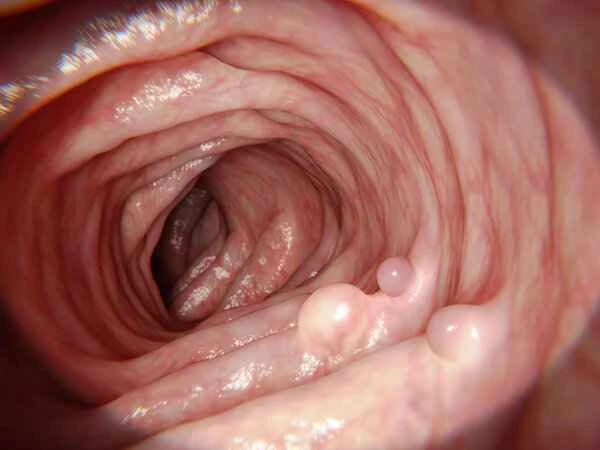
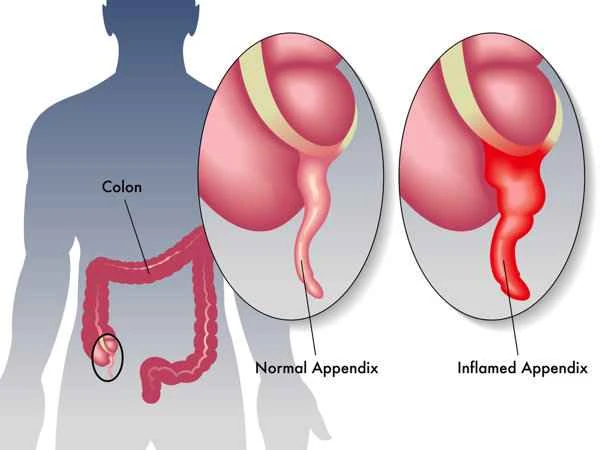
Paralytic ileus due to fracture is a serious medical condition that typically occurs after a severe trauma, such as a fracture, where nerve damage leads to bowel dysfunction. The severity of this condition lies in its impact not only on the digestive system but also in its potential to trigger a range of complications, thereby threatening the patient's life.
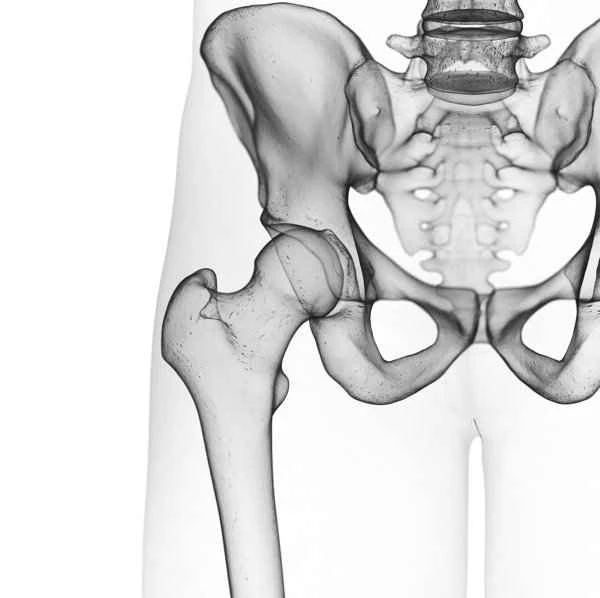
The severity of paralytic ileus due to fracture depends primarily on the extent and location of nerve damage. When a fracture damages a nerve, the transmission of nerve signals is obstructed, preventing normal bowel movements and leading to intestinal obstruction. In this situation, food and fluids cannot pass smoothly through the intestines, potentially causing symptoms such as abdominal distension, abdominal pain, and vomiting. If the nerve damage is severe, it may also affect the function of other organs, such as the urinary system, leading to complications like urinary retention. Timely diagnosis and treatment are crucial to prevent further deterioration of the condition.

When treating paralytic ileus due to a fracture, doctors will comprehensively consider the extent of nerve damage, the patient's overall condition, and the presence of other complications. Treatment methods may include medication, nutritional support, and surgical intervention. The treatment process is challenging because nerve damage recovery usually takes a long time, and the recovery rate varies from person to person. Patients and their families need to be fully prepared psychologically for a potentially long-term treatment and rehabilitation process.
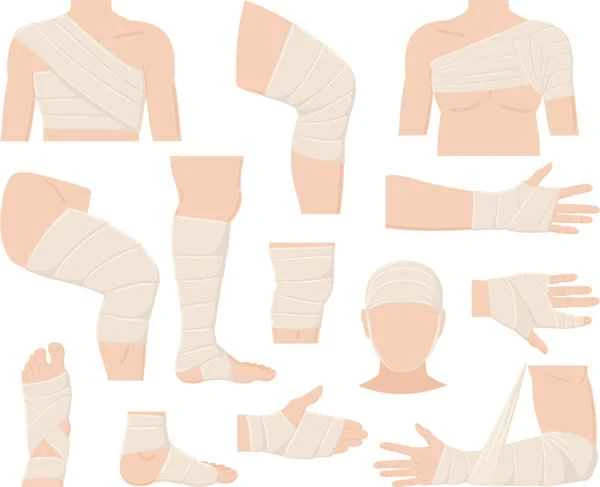
[Management Tip:]
1. Closely monitor the patient's vital signs and neurological function.
2. Provide nutritional support to ensure that patients consume sufficient nutrients.
3. Regular imaging examinations should be performed to assess the improvement of intestinal obstruction.
4. If serious complications occur, seek professional medical help promptly.